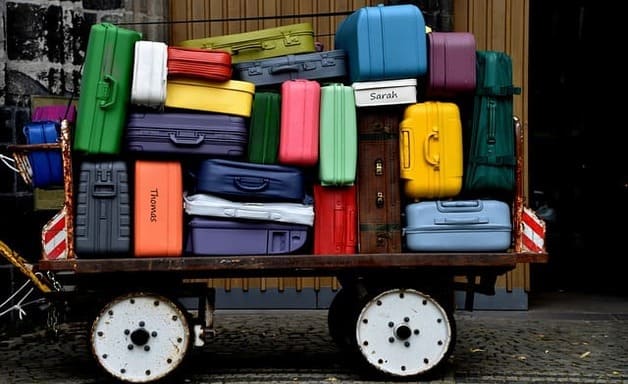
Before packing for your trip to the Maldives, it's important to know what is allowed and what is strictly prohibited.
Maldivian customs are clear, and enforcement is strict. Items that are banned will be confiscated at the airport. If you carry prohibited items, you may face fines or other legal issues on arrival.
Don’t risk it. Review the guidelines below to avoid problems at the border. Here’s a quick table of what you need to know:
Read on to learn exactly what you can bring and what you’ll need to leave at home.
Completely Prohibited Items for All Travelers
These items are not allowed under any circumstances. Do not bring them into the Maldives:
- Narcotics and psychotropic drugs
- Pornographic materials (including magazines, films, DVDs, or sex toys)
- Religious texts or symbols offensive to Islam
- Idols intended for worship
- Live pigs
- Dogs and dangerous animals
- Vape devices and e-cigarettes
Bringing any of the above may result in confiscation or legal issues at immigration. Vaping devices are confiscated on arrival. Non-resident travelers can ask for a receipt to recover the device when leaving the country. When in doubt, leave it at home.
Vape Devices and e-Cigarettes: 2026/2027 Update
Electronic cigarettes, vape pens, and related devices can no longer be brought into the Maldives.
If you arrive with any kind of vaping device, it will be confiscated by customs agents. In most cases, non-resident visitors are provided with a receipt so the device can be recovered when departing the country.
Because enforcement is strict, you should avoid packing vape devices or related products in either carry-on or checked luggage.
Restricted Items When Traveling to the Maldives
Some goods are not banned, but you’ll need official permission or the right documents to bring them in:
Alcoholic beverages
Alcohol cannot be brought into the Maldives by travelers, including duty-free purchases. Any alcoholic goods will be confiscated on arrival. However, alcoholic beverages are available at licensed resorts and hotels.
Prescription medication
Make sure to bring a valid medical prescription if you’re carrying certain medications. The prescription must be issued by a certified doctor and the quantity should match the duration of your stay.
Pork and pork products
Pork products require prior authorization from the relevant Maldivian authorities before importation.
Tobacco products
Bringing tobacco is allowed, but only in limited amounts and under specific rules:
- Up to 200 cigarettes, 25 cigars, or 250 grams of tobacco per adult (18+).
- All tobacco must carry a health warning label in English.
- If you bring more than the permitted amount, the excess will be held by customs and must be collected upon departure.
Recent regulatory changes have tightened controls on tobacco imports, and excess quantities may no longer qualify for duty-free allowances.
Tip: Open packages or unlabeled tobacco may cause delays during inspection.
Other Restricted Items
Below are some other restricted items that require approval from the Maldivian authorities to be imported into the country. This must be arranged and approved in advance.
Most travelers will not need to worry about these restrictions, but it’s always a good idea to know exactly what you can and cannot bring in:
- Chemicals and toxic substances: You must have a permit to import acids, poisons, and industrial chemicals.
- Weapons and ammunition: You’ll need special permits from the Ministry of Defense to bring in these types of goods. This covers firearms, explosives, and even fake or replica weapons.
- Plants: You need a valid phytosanitary certificate to import plants, and approval must come from the Ministry of Fisheries and Agriculture.
- Radio and communication equipment:Devices transmitting over 100 milliwatts require clearance from the Communication Authority of the Maldives.
What You Can Bring Without Problems
Here’s what you’re generally free to bring, as long as it’s for personal use:
- Clothing, swimwear, snorkeling gear
- Sunscreen and cosmetics (in normal travel-size containers)
- Cameras, phones, laptops
- Baby items and formula
- Over-the-counter medication (in reasonable amounts)
Reminder: All items must be for personal use only. Commercial quantities may be intercepted by customs officers.
Entry and Health Requirements at a Glance
To enter the Maldives, make sure you have the following:
- Passport valid for at least 1 month after departure from the Maldives
- Proof of onward or return travel
- Confirmation of accommodation or funds to support your stay
- Completed IDT Traveller Declaration Form (within 96 hours before arrival)
- Yellow Fever certificate (only if coming from a risk area)
Duty-Free and Declaration Tips
Maldives customs authorities allow travelers to bring in personal items worth up to MVR 10,000 (about $650 USD) without paying duty.
If the value of your goods is above that amount, you must submit a goods declaration form, and duty is charged on the amount above the allowance.
If you're carrying goods above the limit
- Declare them on arrival
- Be ready to pay customs duties as required
Trying to bypass declaration may result in delays, fines, or confiscation.
Stay Informed About Entry Requirements
Check the latest news about entry requirements and customs regulations in the News section of our site before departure.